Parametric electrical & thermal design
Voltage, current, terminal locations, thermal envelope, inductance target, creepage and clearance are inputs. A manufacturable geometry, dielectric stack, and test plan are the output.
Technology & Engineering
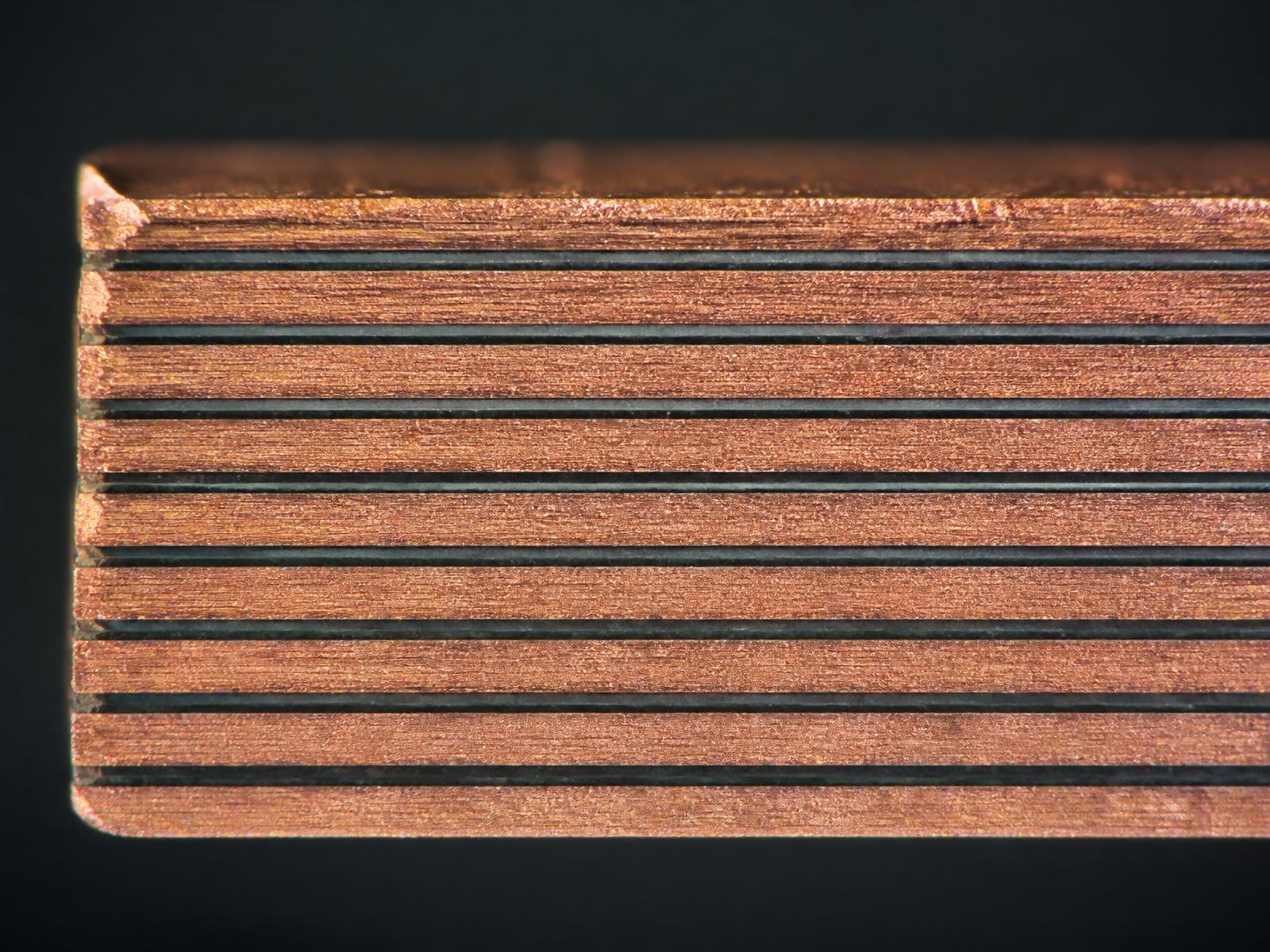
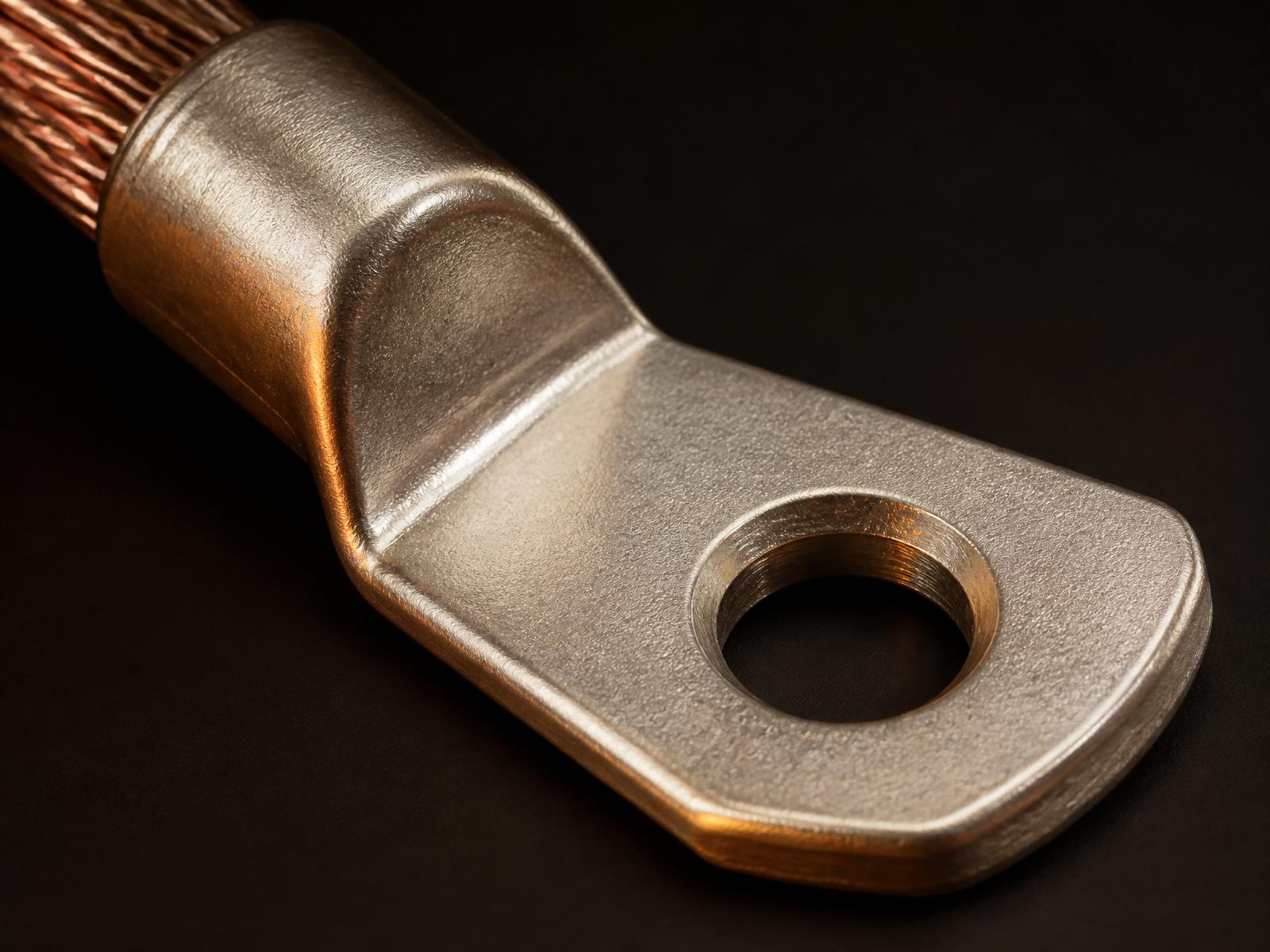
A laminated busbar looks like a stack of shaped copper sheets. The reliability lives in what you can't see: surface preparation, dielectric physics, and cycle-perfect lamination. This is what we sell — and what we co-develop with OEM customers.
Voltage, current, terminal locations, thermal envelope, inductance target, creepage and clearance are inputs. A manufacturable geometry, dielectric stack, and test plan are the output.
Surface preparation, dielectric selection, adhesive chemistry, edge sealing, and the heat–pressure–vacuum cycle. Where partial-discharge and thermal-aging performance are won or lost.
Every thermal-cycle, hipot and PD result feeds a proprietary map: copper × bend radius × dielectric × edge geometry × plating × temperature. Compounds over time.

OEMs qualify our stack and build tooling around our geometry. A supplier change becomes a re-qualification programme — the moat is procedural, not just physical.

Inside the stack
Prevention of air pockets. Prevention of delamination. Control of partial discharge over a decade of thermal cycles. Every detail is a process parameter — and every process parameter is a data point we've already measured on our own coupons.
Engineering services
Paid co-development first, serial supply second. Engineering revenue de-risks the qualification programme for both sides.
Requirement capture. Deliverable: feasibility memo and reference geometry.
Full electrical + thermal simulation, dielectric selection, terminal library, mechanical CAD to your shelf interface.
First articles through Amperion's pilot cell. Insulation and lamination coupons tested to customer-agreed protocol.
Thermal cycle, vibration, environmental qualification. Transition to serialized production.
Bring us a shelf